

Story Playbooks
March 23, 2026
Story Playbook: Apple’s iPod introduction
When Apple introduced the iPod, the talk inflated the old world of bulky music, then landed one line everyone repeated: a thousand songs in your pocket. Borrow contrast, pacing, and a killer promise.
Why it works
- Contrast before features. The story enlarged the pain of carrying music, then made the new thing feel tiny by comparison.
- One number, one place. “A thousand songs” is concrete. “In your pocket” is physical. Together they feel inevitable.
- Rhythm matters. Short clauses, a pause, then the line—your voice is part of the product story.
- A phrase worth stealing. If journalists and customers cannot repeat your headline, it is still too technical.

Anchor the old habit: music you love, but tied to rooms, discs, or clutter—not truly yours on the move.
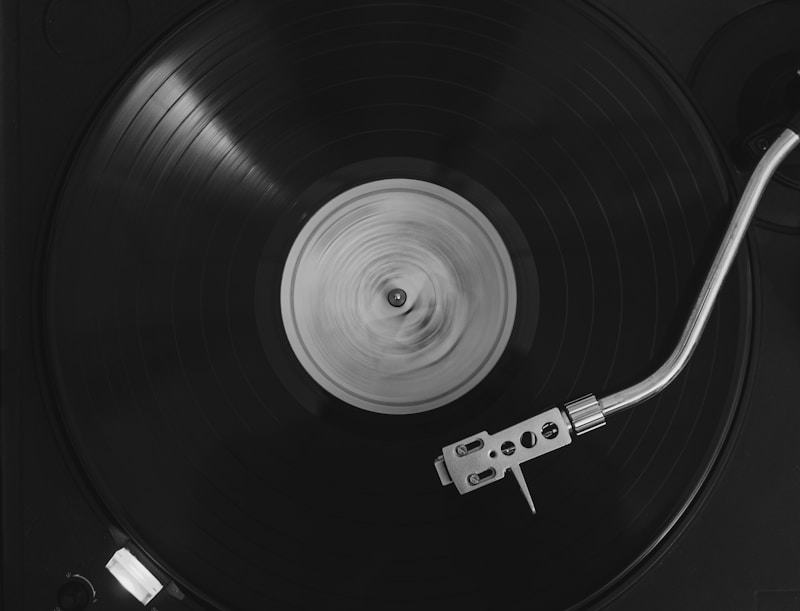
Make the pain physical: shelves, binders, skipping CDs—the weight of carrying ‘enough’ music.

Flip to the dream: the same library, but walking, commuting, living—soundtrack without the baggage.

Let simplicity do the work: one small object, one clear job—no feature soup on the first beat.
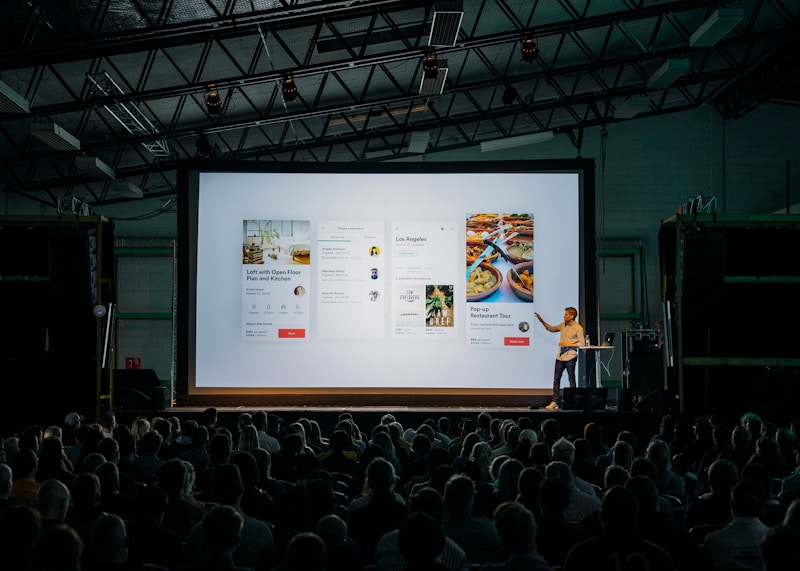
Your job is the pause before the punchline—let the room lean in, then give them the phrase to repeat.
Most demo mistakes are predictable. Run the checklist before your next customer call.
Generate my checklistTalk track you can read aloud
Roughly two minutes. Pause after each paragraph; let the room nod before you move on.
For years, if you wanted a lot of music with you, you paid in bulk—in bags, in skip-prone discs, in players that felt like a compromise. The music was yours, but the experience was not. You were always choosing what to leave behind.
We asked what people actually wanted: their library, not a sampler. Not one album—hundreds. And they wanted it without thinking about it. Small enough to forget in your pocket, big enough to hold a life’s worth of songs.
So we built something different. Not a little improvement on yesterday’s gadget—a different scale. Enough storage that ‘what should I bring?’ stops being the question. You bring the collection. The device disappears; the music doesn’t.
If you remember nothing else from this part of the talk, remember the promise in one breath: a thousand songs in your pocket. That is what we are selling—not a spec sheet, but that sentence come true.
How to use this in your presentation
- Spend real time on the old world. List what people juggle today until the room nods—they should feel the weight.
- Translate your tech into one human scale—hours saved, trips removed, errors avoided, songs carried—pick a unit they already care about.
- Write your punchline before your slides. Seven words or fewer. Say it aloud until it feels too simple; that is usually right.
- Pause before the line. Silence is not dead air; it is the drumroll.
On a product demo, pair the line with one short Tell–Show–Tell: state the promise, show the single gesture that proves it, recap with the same words you want them to remember.
More Story Playbooks
If you want a structured way to apply this, use our Demo Checklist Generator. For line-by-line phrasing, try the Talk Track Builder.
Your demo isn’t converting.Get a Demo Audit.
We’ll review your live demo or product video and show you exactly what’s losing your audience — and how to fix it.
Built for real demos, not generic advice.
Pinpoint the problems
We find the exact moments where your demo loses momentum.
Get specific fixes
Clear, practical recommendations you can apply right away.
Drive more yes
A better demo experience that leads to more conversions.
Tags
Want to run better demos?
Get practical frameworks and tools used by presales teams.
Get the ChecklistContinue learning:
Related Articles
Story Playbooks • March 25, 2026
Story Playbook: The Airbnb pitch deck
Airbnb’s early deck won because it walked investors through a clear story—travel feels broken, there is a human fix, the market is huge, and the model is simple. Steal the same arc for launches, budget asks, and keynotes.
Story Playbooks • March 24, 2026
Story Playbook: Samsung’s Safety Truck
Samsung’s Safety Truck concept used a live feed on the rear of a truck so drivers could see past it before overtaking. The story worked because it opened with fear and a blind spot—not with specs.
Presales Career • May 23, 2026
Sales Engineer Salary
What sales engineers earn in 2026—US, Australia, and New Zealand bands, base/OTE splits, super/KiwiSaver, AE comparison, and how to read presales vs industrial titles.