Demo Strategy
March 27, 2026
How to Give a Software Demo That Wins Deals
Learn how to run a software demo with structure and clarity to win deals, avoid feature dumping, and keep buyers engaged from start to finish.
How to Give a Software Demo That Wins Deals
Most software demos do not fail because the product is weak.
They fail because the presenter starts clicking before the buyer is clear on what matters.
That is true in product demos and sales demos across every category.
Bad advice says: "tell a broad story" or "show more so they see the value."
In real deals, that creates confusion.
The simple truth: most demos fail before the first click, because there is no clear structure behind the demo.
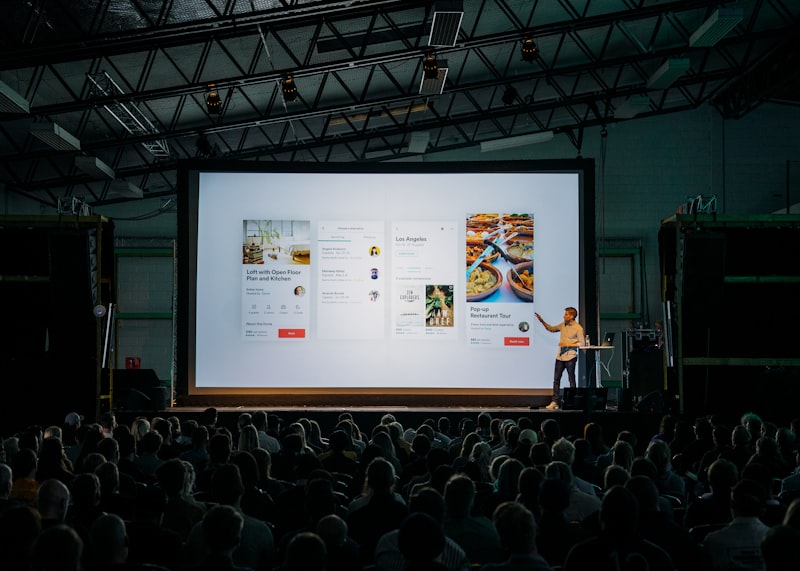
Why Most Software Demos Fail
If you want to improve your software demo, start by removing the four killers:
- Feature dumping instead of guided decisions
- No clear story from problem to value
- Too much complexity too early
- No audience context before the walkthrough
Most teams think the problem is delivery style.
Usually, it is demo design.
Before the Demo: Set It Up Properly (How to Run a Demo)
If you are asking how to run a demo that actually moves deals, do this before you touch the product.
Define one persona.
Define one problem that persona wants solved now.
Define one outcome they should believe by the end.
Then build one anchor story around that outcome:
Right now your team loses two days each week reconciling updates. In this demo, we will show how to cut that to one hour with clear ownership.
That anchor story keeps every screen relevant.
No anchor story, no control.
During the Demo: Keep Control of the Room (Product Demo Tips)
Your job is to guide, not explore.
Every transition should answer one question:
Why are we seeing this now?
Use this operating pattern:
Most demo mistakes are predictable. Run the checklist before your next customer call.
Generate my checklist- Guide, do not freestyle
- Make transitions explicit
- Show less than you think
- Pull the audience in every few minutes
Simple check-in lines work:
- "Does this match your current process?"
- "Is this the part your team struggles with most?"
- "Want to go deeper here, or keep moving?"
Good product demo tips are usually boring and disciplined.
That is exactly why they work.
How to Structure a Winning Demo Flow (Sales Demo Best Practices)
Most sales demo best practices can be reduced to one clean sequence:
- Context (problem): Name the business pain in plain language.
- Current state: Show what broken looks like today.
- Demo walkthrough: Show only the workflow that resolves the pain.
- Outcome/value: Tie back to impact, decision speed, and risk reduction.
This is where many demo presentation examples go wrong.
They skip context and jump to product UI.
When that happens, buyers see features but miss value.
Common Mistakes That Kill Deals
These mistakes look small in the room, but they kill momentum:
- Too many features in one pass
- No clear narrative spine
- Over-explaining every click
- Ignoring audience signals and time pressure
If the room gets quiet, do not talk faster.
Pause, summarize, and re-anchor:
Let me connect this back to your original goal: faster handoffs with fewer errors.
[See our guide on handling tough demo questions]
After the Demo: Maintain Momentum
Strong demos still die in follow-up.
Send your follow-up within 24 hours.
Keep it short. Keep it specific. Keep it useful.
Use this format:
- 2-3 moments from the live demo tied to their priorities
- A short recommendation for next step
- One clear ask with proposed timing
Example:
You flagged approval delays and duplicate work. Today we showed automated routing and audit history as direct fixes. If useful, next step is a 45-minute working session with Ops and IT next week.
Final Thought
Clarity beats complexity in every software demo.
A demo is not a feature tour.
It is a decision tool.
If buyers cannot retell your value in one sentence after the call, your demo was too complex.
FAQ: Software Demo Tips
How long should a software demo be?
For first meetings, 20-30 minutes of core demo is usually enough. Leave room for questions and decision discussion.
What makes a good product demo?
A good product demo is specific, controlled, and outcome-driven. It speaks to one persona, one problem, and one clear business result.
How do you structure a demo?
Use a four-part flow: context, current state, walkthrough, outcome. This keeps the audience oriented and reduces random detours.
How do you keep people engaged?
Use short transitions, ask simple check-in questions, and cut anything that does not support the main outcome. Engagement comes from relevance, not volume.
If you want a structured way to apply this, use our Demo Checklist Generator.
Your demo isn’t converting.Get a Demo Audit.
We’ll review your live demo or product video and show you exactly what’s losing your audience — and how to fix it.
Built for real demos, not generic advice.
Pinpoint the problems
We find the exact moments where your demo loses momentum.
Get specific fixes
Clear, practical recommendations you can apply right away.
Drive more yes
A better demo experience that leads to more conversions.
Tags
Want to run better demos?
Get practical frameworks and tools used by presales teams.
Get the ChecklistContinue learning:
Related Articles
Demo Strategy • March 29, 2026
Demo Flow Example (From Start to Finish)
Demo flow example: walk a real software demo from hello to next step—then steal three flow patterns, Tell–Show–Tell beats, and a fill-in outline for your next presales call.
Demo Strategy • March 29, 2026
Demo Structure: Simple 5-Step Framework
A simple, repeatable structure for running clear, focused demos—plus links to go deeper when you need it.
Demo Strategy • May 20, 2026
Asking for the Sale After a Demo
Great demos but zero sales? First-person lessons on change resistance, wrong personas, earning next steps—not applause—and asking for the sale without ghosting.