Demo Strategy
March 20, 2026
How to Engage Audience in Demo
Practical tactics for sales engineers and presales teams who want to hold attention and drive outcomes during software demos.
You have 20 minutes. Half the room is on email. One person keeps unmuting to ask unrelated questions. Another goes silent after the first slide. Most presenters never figure out how to engage audience in demo—they assume interest is automatic. It is not. Engagement is something you build and protect.
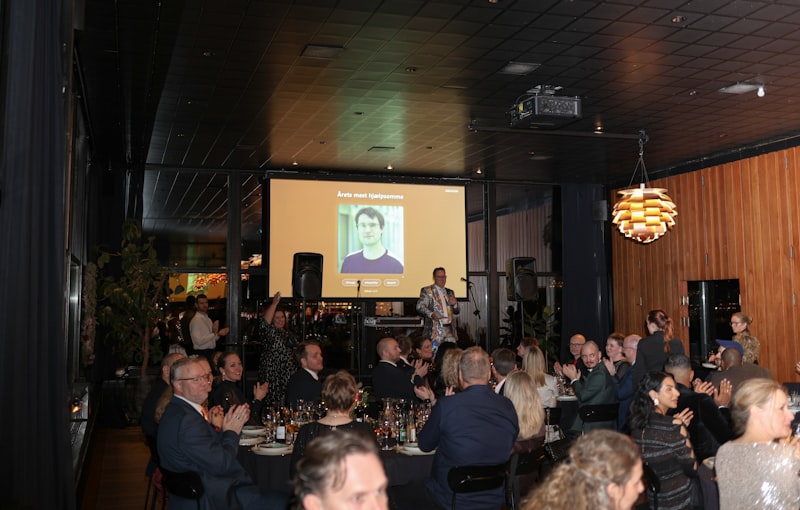
What audience engagement really means in demos
Engaging your audience means they stay present, ask relevant questions, and remember what matters. They do not zone out. They do not take over the call with tangents. They follow your story and see themselves in it.
In real demos, engagement is the difference between a deal that moves forward and one that stalls. A disengaged buyer will nod, say "interesting," and forget everything by lunch. An engaged buyer will ask follow-ups, bring colleagues to the next call, and push internally for a decision.
How to engage your audience: step-by-step
1. Open with a question they care about
Do not start with "Let me show you our platform." Start with "What is the biggest bottleneck in your approval process right now?" or "How much time does your team lose on manual handoffs each week?" A question forces them to think and speak. You learn something. They feel heard.
2. Name the problem before showing the solution
Spend 2–3 minutes on their world. Describe the friction, the cost, the pain. Use their words. Only then introduce the product. If they do not see the problem clearly, the solution will feel like noise.
3. Set expectations out loud
Say: "Here is how the next 25 minutes will go." List the sections. Tell them when you will take questions. People relax when they know where they are. Vague demos feel like a maze.
4. Give them one clear outcome per section
After each major part, pause and name the takeaway. "So what we just saw is that this removes the manual handoff." If you do not say it, many will not absorb it. Repeat the outcome in different words if needed.
5. Invite participation at checkpoints, not everywhere
Most demo mistakes are predictable. Run the checklist before your next customer call.
Generate my checklistAllow questions after each main section—not after every click. "Before we move on, any questions on this flow?" This keeps the room involved without derailing the story.
6. Close with a decision, not a question
End with a recommendation: "Next step is a 90-minute working session with your team." Do not end with "What do you think?" or "Any questions?" Give them a path. They will either follow it or object. Both are better than silence.
Get better at demos
Practical ideas, teardown lessons, and tools for people who present software.
Get the ChecklistReal-world example
You are demoing a project management tool to a 6-person ops team. Two are engaged, three are quiet, one keeps jumping in with "Can it do X?"
Wrong approach: Show features in order, answer every interruption, and hope the quiet ones are paying attention. You leave unsure who understood what.
Right approach: Open with "What is the main frustration when projects slip—visibility, handoffs, or both?" Get answers. Then: "We will spend 20 minutes on how we solve both. Questions at the end of each section." Show one workflow. After each part, ask "Does that match what you are seeing today?" Name the outcome. At the end: "Recommendation: pilot this on one project next month. Who would need to be in that conversation?"
Common mistakes that kill audience engagement
- Starting with the product instead of the buyer's context
- Speaking for 15 minutes without a checkpoint or question
- Letting one vocal person steer the entire conversation
- Assuming silence means agreement (it often means confusion)
- Ending without a clear next step or recommendation
- Using jargon or feature names the buyer does not recognize
Pro tips (the secret sauce)
Use their language. If they say "approval cycle," you say "approval cycle." Mirroring builds trust and keeps them anchored.
Name the quiet ones. "Sarah, does that match how your team works?" A direct invite pulls people back in without putting them on the spot.
Protect the clock. If someone goes off track, acknowledge and park it. "Good point. I will note that for later. For now, let us finish this flow."
Pause before transitions. A 2-second pause before "Next..." gives the room a moment to process. Rushing makes people feel lost.
Practice the open and close. The first 90 seconds and the last 60 seconds matter most. Write them. Rehearse them.
Apply this in your next demo
Engagement is not luck. It is structure plus intention. The steps above work for discovery calls, technical deep dives, and executive reviews.
If you want a structured way to apply this, use our Demo Checklist Generator.
Your demo isn’t converting.Get a Demo Audit.
We’ll review your live demo or product video and show you exactly what’s losing your audience — and how to fix it.
Built for real demos, not generic advice.
Pinpoint the problems
We find the exact moments where your demo loses momentum.
Get specific fixes
Clear, practical recommendations you can apply right away.
Drive more yes
A better demo experience that leads to more conversions.
Tags
Want to run better demos?
Get practical frameworks and tools used by presales teams.
Get the ChecklistContinue learning:
Related Articles
Demo Strategy • March 20, 2026
Demo Delivery Techniques
The mechanics of how you present: voice, pacing, screen hygiene, and handling interruptions so your demo lands.
Demo Strategy • March 20, 2026
How to Be Confident in Demos
Real confidence in demos doesn’t come from personality. It comes from exposure, recovery, and knowing what to do when things go wrong.
Demo Strategy • March 20, 2026
How to Handle a Bad Co-Presenter in a Software Demo
Practical ways to handle a bad co-presenter in a software demo: roles, handoffs, recovery, and prep so presales and sales stay aligned.