

Demo Strategy
March 19, 2026
How to Prepare for a Demo
Show up ready. A no-fluff guide to demo prep for sales engineers and presales teams who want to land the room.
Preparation can make or break a demo. When you wing it, small things go wrong: broken links, wrong data, lost tabs. The room waits while you hunt. When you prepare, you show up calm and in control. Here is how to prepare for a demo before the call starts.

What this really means
Preparation is everything that happens before you hit "join." It is who you research, what you plan to show, how you set up your screen, and what you practice. When you prepare well, the call feels calm. You are not hunting for tabs or fixing broken data. You are telling a story you already know.
When you skip preparation, the demo can turn into a mess of "one second" and "let me find that." When you prepare, you control what the room sees from the first minute.
Step-by-step breakdown
1. Find out who is attending and what they care about
Send a short note before the call. Ask who will be there and what decision they are making. A technical person wants details. An executive wants impact. A mixed room needs you to call out who each part is for. You cannot prepare the right story if you do not know your audience.
2. Choose one scenario and write your run-of-show
Pick one path through your product. One customer story. One outcome. Write down the steps in order: what you will show first, second, third. That list is your run-of-show. It keeps you from wandering. Popular structures include: problem then solution, intro then workflow then proof, or a simple before-and-after. Pick one and stick to it.
3. Set up a clean demo environment
Use a clean browser profile or a fresh incognito window. Close personal tabs. Use a demo account with data that fits your scenario. Test every link and integration you plan to show. Nothing kills a demo like a loading screen or a broken link. Do this at least a day before.
4. Do a dry run and time it
Run through your full flow once. Time each section. If you run over, cut something. It is better to show less clearly than to rush. Do this at least 3 days before the call. Call in your sales rep and ask for feedback. They know the buyer and can tell you what to emphasize or cut. You need time to act on their notes; you cannot fix major changes overnight. Note where you fumble and fix those spots before the real call.
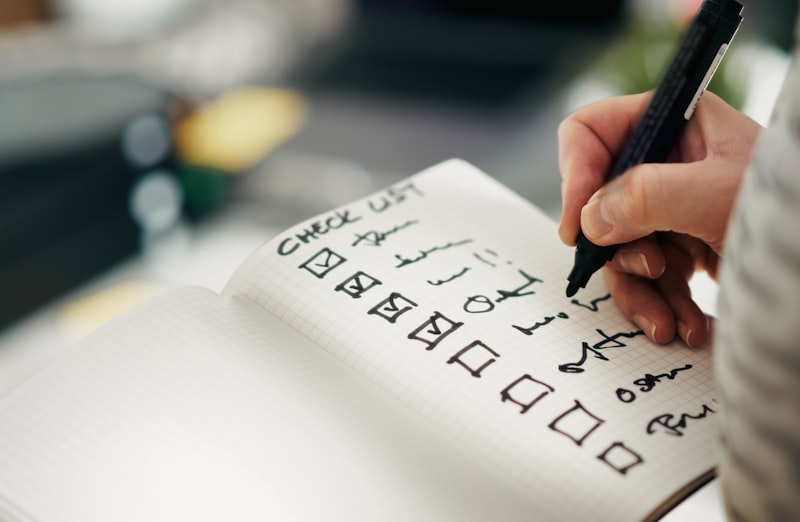
5. Make a short pre-call checklist
Most demo mistakes are predictable. Run the checklist before your next customer call.
Generate my checklistWrite down 5–7 things you must do before you hit "join." Examples: confirm attendees, reset demo data, close extra tabs, test screen share, silence notifications. Run through it every time. A checklist catches the one thing you forget.
6. Have a backup plan
What if the integration breaks? What if someone asks about a feature you did not plan to show? Have a backup: a screenshot, a different path, or a clear "I will follow up on that." Do not try to fix things live in front of the room.
Real-world example
Imagine you are preparing for a demo of a project management tool to a mid-size product team. They care about reducing status meetings and seeing progress in one place.
Wrong approach: Open the product the night before, skim the deck, join the call, and hope the demo account works. Halfway through, you realize the data is from a different scenario. You switch tabs to find the right one. The room waits.
Right approach: A week out, you send a note and learn that the VP of Product and two team leads will attend. You pick one scenario: how a team moves a project from draft to launch and how leaders see status without a meeting. You write your run-of-show: intro, draft view, workflow, status board, wrap. You reset the demo account and test the flow. Three days before, you do a dry run with your sales rep and take their feedback on what to highlight. You cut one section because you were over time. You make a 6-item checklist and run through it 15 minutes before the call. You join with one tab open and a clear story.
Common mistakes to avoid
- Not knowing who is in the room or what they care about
- Planning to show too much instead of one clear scenario
- Using a messy demo environment (personal tabs, old data, broken links)
- Skipping a dry run and discovering problems during the live call
- Joining without a pre-call checklist
- Assuming the demo account will work without testing it first
- Having no backup when something breaks
Pro tips (the secret sauce)
Silence everything. Notifications, Slack, email. One tab, one focus. Nothing pops up.
Send a short prep note to the buyer. One or two sentences: what you will show and what you need from them (e.g., who is attending). It sets expectations and shows you care. For example: "Really looking forward to Thursday! We will walk through how [Product] can cut your approval time and give you a live view of progress. Quick ask: who from your team will be joining? That helps us tailor the demo." Sound excited. It is contagious.
Prepare the same way every time. Even if you have done 100 demos. Routine catches mistakes. Use a checklist. The Demo Checklist Generator can give you a tailored list for each deal.
Do your dry run 3 days before the call. You cannot fix major feedback overnight. Run through the flow, bring in your sales rep, and take their notes. Then you have time to adjust the story, cut sections, or add proof before D-day.
Reset your demo data the day before. Do not do it five minutes before the call. Things go wrong. Give yourself time to fix them.
Apply this in your next demo
Preparation is what separates the demos that land from the ones that fizzle. It does not take long. It takes discipline. Run through the steps above before your next call and see how much calmer it feels.
If you want a structured way to apply this, use our Demo Checklist Generator.
Your demo isn’t converting.Get a Demo Audit.
We’ll review your live demo or product video and show you exactly what’s losing your audience — and how to fix it.
Built for real demos, not generic advice.
Pinpoint the problems
We find the exact moments where your demo loses momentum.
Get specific fixes
Clear, practical recommendations you can apply right away.
Drive more yes
A better demo experience that leads to more conversions.
Tags
Want to run better demos?
Get practical frameworks and tools used by presales teams.
Get the ChecklistContinue learning:
Related Articles
Demo Strategy • March 20, 2026
Demo Delivery Techniques
The mechanics of how you present: voice, pacing, screen hygiene, and handling interruptions so your demo lands.
Demo Strategy • March 20, 2026
How Long Should a Demo Be
How long a demo should run—and how to budget time inside your demo structure so the walkthrough, value, and close all get air.
Demo Strategy • March 20, 2026
How to Be Confident in Demos
Real confidence in demos doesn’t come from personality. It comes from exposure, recovery, and knowing what to do when things go wrong.